Bedding · Materials & comfort
Latex Layers Explained: Comfort, Support, and Fit
A latex layer can give a mattress a more buoyant, responsive feel—but its effect depends on more than the word “latex” on a label. Thickness, firmness, construction, and the mattress beneath it all shape the result. Here’s how to understand those details before changing your sleep surface.
Published October 6, 2026
In a considered bedroom, the best comfort is often the sort that does not announce itself. A well-chosen layer can soften the first impression of a mattress, add a little spring, or create a more forgiving surface for shoulders and hips. Latex is one material people consider for this role because it tends to feel resilient rather than sinking or slow to recover. Yet “latex comfort layer” is not a single sensation. One slab may feel gently yielding; another may feel distinctly firm and buoyant.
The distinction matters when you are trying to solve a specific problem. A mattress that feels too hard at the surface may benefit from additional cushioning, while one that already allows too much sink may not. A latex pad can change the immediate feel of a bed, but it cannot reliably correct every issue in the underlying mattress. Understanding how thickness, firmness, latex type, and fit work together makes the choice less mysterious—and the outcome more predictable.
This guide explains what latex layers do, how they differ from mattress pads and protectors, and which practical details to check before adding one to your bedding.
What is a latex layer?
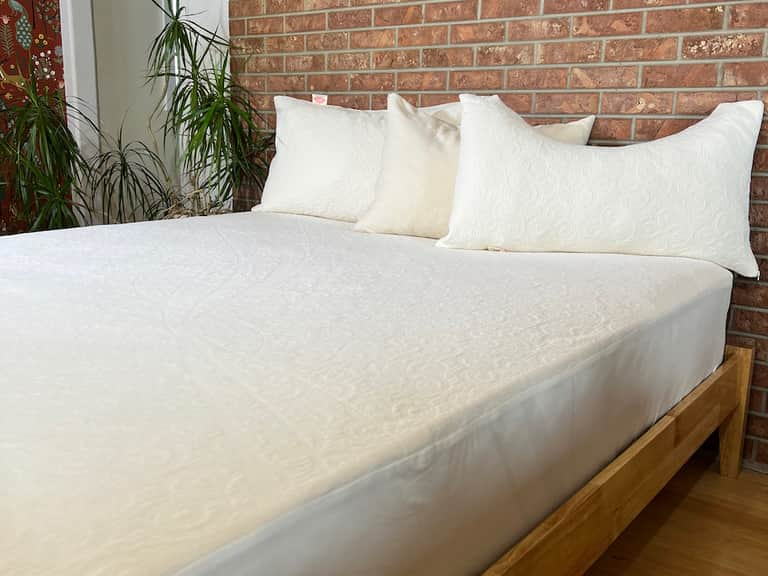
A latex layer is a piece of latex foam placed on top of, or incorporated into, a mattress to change its comfort and support characteristics. A loose layer is often called a latex topper. The terms “pad” and “topper” are sometimes used loosely in bedding descriptions, so it is worth looking past the name to find out what the item is actually made to do.
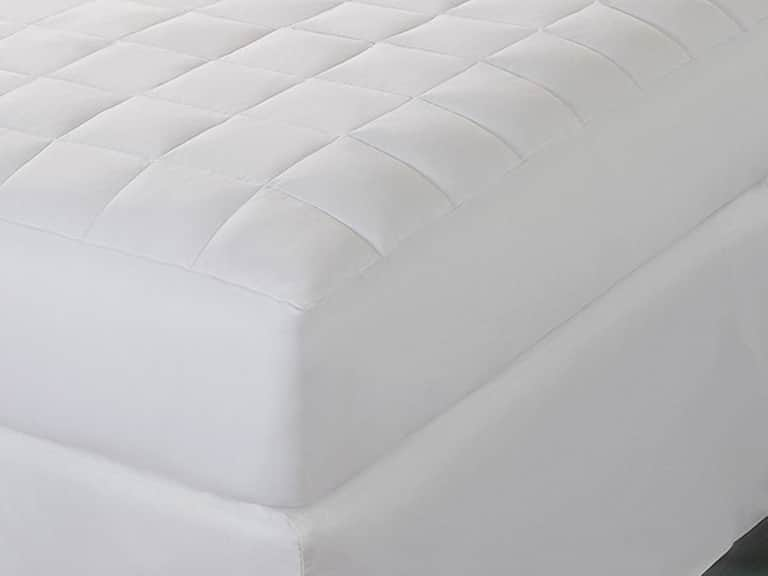
A latex comfort layer is generally intended to influence how the bed feels under the body. It may add cushioning, alter pressure distribution, or contribute a more springy response. A mattress protector, by contrast, is chiefly a barrier against everyday wear, moisture, and debris; it usually adds little cushioning. A quilted mattress pad may add softness, but it is not necessarily made of latex and may have a very different loft and response.
Latex itself is a foam material made from natural rubber latex, synthetic latex, or a blend. The exact formulation and manufacturing process vary. Labels such as “natural,” “blended,” or “synthetic” describe aspects of the material, but do not tell the whole story about firmness, feel, durability, or care. Construction, density, thickness, and the way the layer is used all matter.
The signature feel: buoyant, not weightless
Many sleepers describe latex as responsive: it compresses under pressure and tends to spring back relatively quickly when that pressure changes. On a bed, this can create a sensation of gentle lift or buoyancy. The feeling is distinct from the slower, more contouring response associated with some memory foam constructions, although individual products—and individual bodies—vary.
That responsiveness may be appealing if you dislike feeling deeply enveloped by a mattress, or if you want a surface that feels cushioned without seeming sluggish. It is not the same as hardness. A soft latex layer can still have an elastic, lively response; a firmer one can feel supportive while remaining springy. The combination of firmness and resilience is why simple labels such as “plush” or “supportive” rarely tell the full story.
Personal comfort also depends on sleep position, body shape, mattress condition, and preference. A side sleeper may notice pressure at the shoulder or hip more acutely, while a back or stomach sleeper may be more concerned about maintaining a level-feeling surface. These are useful starting points, not rules. The right question is not whether latex is universally comfortable, but whether a particular layer is likely to improve the way your particular bed feels.
Thickness: how much change do you want?
Thickness is one of the clearest clues to how strongly a layer may affect the surface. A thinner layer generally makes a more restrained adjustment; a thicker one can create a more noticeable change in cushioning and height. But thickness alone does not determine softness. A thin, soft layer and a thicker, firm layer may feel quite different, while two layers of equal thickness can respond differently because of their firmness and construction.
Think of thickness as the scale of the intervention. If your mattress is broadly comfortable but needs a subtle adjustment, a modest layer may be easier to integrate. If the surface feels distinctly firm and you want a more substantial cushion, a thicker option may be worth considering—provided the mattress underneath is still supportive and in good condition.
There is a limit to what adding material can achieve. A topper can change the upper feel of a mattress, but it cannot restore a worn-out support core, erase a deep sag, or guarantee better spinal alignment. If you can feel a lasting depression in the bed, or if discomfort persists regardless of position, investigate the mattress itself rather than assuming that another layer will resolve the cause.
Remember that added height affects more than comfort. It can change how sheets fit, how easily you get in and out of bed, and whether a fitted sheet stays securely in place. Measure the mattress and the new layer together, then check the pocket depth of your sheets. A carefully chosen comfort layer should work with the bed’s practical details as well as its feel.
Firmness and support: related, but not interchangeable
Firmness describes the perceived resistance of a sleep surface when you lie on it. Support is about how the sleep system holds the body. They influence one another, but they are not synonyms. A firm surface is not automatically supportive for every sleeper, and a softer surface is not automatically unsupportive. A comfortable arrangement depends on the combined behavior of the mattress, the added layer, and the person using them.
When comparing latex options, look for a clear firmness description and the scale or method behind it, if supplied. Firmness ratings are not perfectly standardized across manufacturers, so a number should be treated as a point of comparison within a particular product range rather than a universal measurement. If technical specifications are available, read them alongside the stated feel and return or trial terms.
Consider what you are trying to change. If the bed feels uncomfortably firm at the surface, a softer comfort layer may create more give. If you already sink too far, adding a soft layer may intensify the sensation rather than correct it. A firmer layer could feel more stable to some sleepers, but it may also make the surface feel less forgiving. A mismatch between the mattress and the new layer can produce a bed that feels uneven or simply unlike what you intended.
For couples, the decision can be more complicated because each person may experience the same surface differently. If preferences differ, discuss which part of the bed feels uncomfortable and whether the issue is softness, movement, temperature, or fit. A single layer can change the feel for both sleepers, so it is useful to consider shared priorities before buying.
Natural, synthetic, and blended latex
Natural latex is made using natural rubber latex as its primary source. Synthetic latex is made from manufactured materials, and blended latex combines natural and synthetic components. Products can differ in the proportion of each, how the foam is produced, and what certifications or material disclosures accompany it. The wording on a product page should be read precisely: “natural latex” does not necessarily mean that every component or fabric in the finished product is natural.
Material origin alone does not determine comfort. A natural latex layer can be firm or soft; a blended formulation can also vary in feel. Durability and care depend on the finished construction, use, and manufacturer instructions. If the material composition matters to you—for environmental, sourcing, allergy, or other personal reasons—look for detailed specifications and ask the seller to clarify any ambiguous terms.
Latex sensitivity deserves particular attention. People with a known or suspected latex allergy should not assume that a bedding product is suitable simply because it is covered by fabric. Consult a qualified health professional and seek precise information from the manufacturer about the material and any relevant exposure. A general product description is not a substitute for individual medical guidance.
Construction and airflow
Latex layers may be made with different constructions, including solid sheets or perforated designs. These details can influence the material’s flexibility and how air moves through the layer, but they do not guarantee that a person will sleep cool. Temperature comfort is shaped by the whole sleep environment: the mattress, sheets, room climate, sleepwear, and individual preferences all play a part.
Cover fabric matters, too. A fitted cover may help protect the latex and keep the layer in place, while an uncovered layer may require a separate cover or a particular arrangement beneath the sheet. Check whether the cover is removable and washable, and whether the care instructions permit laundering. Do not assume that latex foam itself can be machine washed; follow the manufacturer’s directions for spot cleaning, airing, or other maintenance.
A latex layer can also affect the way the mattress surface moves. A securely fitted piece is less likely to shift or bunch, while a loose, uncovered layer may be more prone to movement depending on the materials and bed setup. Consider the mattress cover’s texture, the fitted sheet’s depth, and whether the layer has straps or another securing method. Comfort is a tactile experience, but stable placement is part of it.
Fit: measurements before impressions
Before choosing a latex pad or topper, measure the mattress length, width, and depth. Confirm that the layer is made for the same mattress size, and check its finished dimensions rather than relying only on a size name. Small differences can leave edges exposed or create overhang, particularly when the bed is an unusual size or has a nonstandard shape.
Then assess total height. Add the thickness of the layer to the mattress depth and compare that figure with the usable pocket depth of your fitted sheets. Sheet labels may describe pocket depth differently, so check the product details and account for any extra loft from a mattress protector or quilted pad. If the sheet is too shallow, it may pull loose; if it is excessively deep, it may not hold the layers neatly.
Also consider the bed base and headboard. A substantial increase in height can alter the proportions of the bed and may affect accessibility for children, older adults, or anyone with mobility considerations. If the mattress is adjustable, confirm that the layer is compatible with the base and is unlikely to shift as the bed changes position. Compatibility should be confirmed with the relevant manufacturers when the setup is specialized.
A practical comparison checklist
When comparing latex comfort layers, avoid getting lost in a single headline claim. Gather the details that describe how the layer will function on your bed:
- Purpose: Is it intended to add cushioning, alter firmness, protect the mattress, or do more than one of these things?
- Thickness: How much surface change do you want, and will the added height work with your sheets and bed frame?
- Firmness: What is the stated feel, and is the rating explained well enough to compare?
- Material: Is the latex natural, synthetic, or blended? Are the cover and other components described separately?
- Construction: Is the layer solid or perforated, and how is it designed to stay in place?
- Care: Can the cover be removed? What cleaning, airing, and storage instructions does the manufacturer provide?
- Fit: Do the actual dimensions, mattress depth, sheet pockets, and bed setup work together?
- Policies: Are there trial, return, or warranty conditions that matter if the feel is not right?
Taking a few measurements and writing down the goal—less pressure, a firmer surface, more lift, or simply a different feel—can make comparison more useful. It also helps separate a genuine comfort need from a product description that sounds appealing but does not address the problem you have.
Care and longevity
Care instructions differ by product, so the label and manufacturer guidance should take priority over general advice. Some latex layers have covers that can be removed and washed; others require surface cleaning only. Avoid soaking foam or applying heat unless the maker explicitly recommends it. Incorrect cleaning can damage the material, affect the cover, or make the layer difficult to dry thoroughly.
Use a suitable mattress protector if you want a washable barrier against everyday spills and soil, while checking that its construction does not create an unwanted change in feel. Airing the bed periodically and keeping bedding dry can also support ordinary hygiene. If moisture has reached the mattress or topper, follow the manufacturer’s instructions and make sure the affected area is completely dry before covering it again.
No comfort layer lasts indefinitely. Changes in feel, visible damage, persistent odors, or loss of fit may be reasons to reassess it. Rotate or reposition a layer only if its design and care instructions allow it. A latex product is not automatically maintenance-free, and claims about lifespan should be interpreted in light of construction, frequency of use, and the conditions in the bedroom.
Common expectations to reconsider
“Latex will fix my mattress.” It may change the surface feel, but it cannot repair a sagging or damaged support system. Diagnose the underlying issue before adding a layer.
“Thicker means softer.” Thickness affects how substantial the change may feel, but firmness and construction matter just as much. Compare all three rather than choosing by depth alone.
“Natural means the same feel every time.” Material origin does not create a single standard sensation. Formulation, firmness, thickness, and construction vary across products.
“A cooler material guarantees cooler sleep.” Temperature comfort depends on the entire bedding system and sleep environment. Consider sheets, room temperature, humidity, and your own preferences alongside the layer.
“A pad and a protector are interchangeable.” A comfort layer changes the feel of the bed; a protector primarily guards the mattress. Some bedding combines functions, but the product’s construction and stated purpose should make that clear.
The considered choice
Latex layers offer a particular kind of possibility: a way to adjust a bed’s first impression without replacing the mattress. Their resilient, responsive feel can be appealing, but the result is personal and depends on how the layer interacts with the sleep system beneath it. A thoughtful choice begins with the discomfort you want to address, not the material name alone.
Compare thickness and firmness together. Look closely at whether the latex is natural, synthetic, or blended, and read the construction and care details. Measure the bed, check sheet depth, and consider how added height may affect the room’s practical rhythms. If the mattress itself is worn or unsupportive, address that problem first rather than asking a topper to do more than it can.
Ultimately, the right layer is the one that fits both the bed and the sleeper: comfortable without being cumbersome, supportive in the context of the complete mattress, and straightforward to care for. A little precision before purchase can turn an unfamiliar bedding material into a far more confident decision.