Sleep comfort · Bedding guide
When a Natural Latex Bed Feels Too Firm: Considering an Extra Comfort Layer
Natural latex can feel buoyant, responsive, and beautifully supportive—but firmness is personal. Before adding another layer, consider what feels uncomfortable, how a topper may change the bed, and whether your sheets and mattress setup can accommodate the difference.
A natural latex mattress often has a distinctive feel: springy rather than slow-moving, supportive without the deep sink associated with some foams. That character is a reason many sleepers choose latex. Yet even a thoughtfully made bed can feel firmer than expected once it is in the bedroom, under familiar sheets, and supporting a body through a full night.
When the surface feels too hard, the impulse is understandable: add a comfort layer. A separate latex layer can soften the first impression of a bed, add cushioning at pressure points, and let you adjust the surface without replacing the mattress. But it is not a universal fix. The result depends on the mattress beneath it, the layer’s thickness and firmness, your sleep position, and whether the current bed is still providing the support your body needs.
The most useful first step is not shopping. It is identifying the problem. Is the discomfort concentrated at the shoulder or hip? Does the bed feel uniformly hard, or does it seem to press against one part of the body? Is the mattress new, incorrectly assembled, or sitting on an unsuitable foundation? A calm assessment can help distinguish a surface that needs more cushioning from a support system that needs attention.
Why a natural latex bed may feel firmer than expected
“Firm” is not a single, objective sensation. It reflects how a mattress responds to a particular sleeper, and that response is shaped by body weight, shape, preferred sleep position, mattress construction, and personal expectations. Two people can lie on the same natural latex bed and describe it differently—one as supportive, another as unyielding.
Latex is generally responsive: it compresses under pressure and tends to spring back relatively quickly. That can create a lifted, supported feeling rather than the enveloping sensation some sleepers associate with softer memory foam. A latex mattress can therefore feel firm even when it offers meaningful cushioning. Conversely, a sleeper who needs a deeper contour at the shoulder or hip may find that the surface does not yield enough in those areas.
Construction matters, too. A mattress may contain one or several latex layers, each selected for a different role. The cover, quilting, base, and foundation all contribute to the overall sensation. A firm support core beneath a modest comfort layer will feel different from a design with more generous cushioning. The label “natural latex” describes a material, not a guaranteed firmness or a precise feel.
There can also be an adjustment period when moving to a new sleep surface. A different mattress changes the way the body is supported, and it may take time to understand whether an unfamiliar feel is simply different or genuinely uncomfortable. Follow the mattress maker’s guidance on setup and adjustment. If the bed is still causing persistent discomfort, do not assume that endurance is the answer; consider the return or comfort-exchange terms before making changes that could affect eligibility.
Begin with the kind of discomfort you are trying to solve
A comfort layer is most likely to help when the mattress is structurally supportive but the surface feels too hard or too lightly cushioned. It can soften the initial contact between body and bed while leaving much of the underlying mattress’s support character intact. The distinction is important: a layer changes the sleep surface, but it does not repair a sagging mattress, an unstable base, or a poor fit between mattress and sleeper.
Notice where pressure appears and when it occurs. Side sleepers commonly pay close attention to the shoulders and hips because those areas meet the mattress at a narrower point. Back sleepers may want a little more softness at the surface while preserving support through the lower back. Stomach sleepers often need to be especially cautious about adding too much plushness, since excessive sink can alter the body’s alignment. These are general considerations, not fixed rules; comfort and fit vary from person to person.
It may help to keep a short sleep note for several nights. Record your usual sleep position, where you feel pressure, whether you wake because of discomfort, and how the bed feels after you have settled into it. Also note any other changes—new bedding, room temperature, a different pillow, or a foundation adjustment. This is not a diagnostic tool, but it can make the decision less dependent on a single first impression.
- Surface hardness: The mattress feels too flat or resistant at the point of contact.
- Localized pressure: A specific area, such as a shoulder or hip, needs more cushioning.
- Support concerns: The bed dips, rocks, or does not seem to keep you comfortably supported.
- Temperature or texture: The discomfort relates to warmth, fabric feel, or friction rather than firmness alone.
An extra layer may address the first two concerns. It is less likely to solve a damaged mattress or foundation, and it may not be the right response to heat or a texture preference. Knowing which issue you have makes it easier to choose a suitable thickness and material—or to decide that a topper is not the answer.
How thickness changes the feel
Thickness influences how much cushioning you notice and how strongly the mattress underneath continues to shape the experience. A thinner latex layer may make the surface feel subtly more forgiving while retaining a pronounced connection to the bed below. A thicker layer can create a more noticeable change, but it can also make the sleep surface feel less integrated with the mattress and raise the bed height.
Those outcomes are not automatic. The same thickness may feel different depending on latex firmness, density, the sleeper’s body, and the construction beneath it. A thicker comfort layer is not necessarily softer in every respect, and a thin one is not always barely noticeable. Look for clear information about the layer’s dimensions and firmness rather than relying on the word “plush” alone.
There is a useful balance to consider: enough depth to relieve the particular pressure you notice, without so much change that you lose the support or responsive feel you liked about latex in the first place. If you are uncertain, a modest adjustment is often easier to assess than a dramatic one. A layer should be selected for the comfort problem in front of you, not simply because it is the thickest option available.
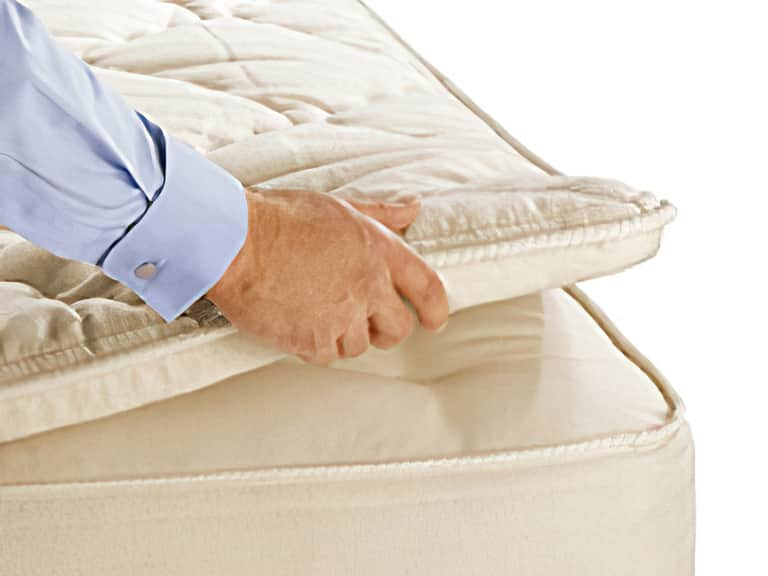
For context, the Royal-Pedic Premier Natural 2-inch Pillowtop Pad is described as a two-inch layer intended to add cushioning while maintaining the underlying mattress’s supportive character. Its listed construction includes long-staple cotton in the cover and chemical-free French wool batting. It is an example of a natural-material comfort layer, not a latex topper; the material difference matters when comparing feel, care, and the degree of response you want.
Firmness, resilience, and the latex question
If you are considering an additional latex layer specifically, compare its firmness with the feel you want to change. A softer latex layer can add give at the surface while preserving some of latex’s characteristic buoyancy. A firmer layer may contribute support or a more substantial feel, but it may do little to solve a bed that already feels too hard. Product descriptions use different scales and terms, so specifications should be treated as a starting point rather than a guarantee of how your body will respond.
Resilience is another part of the experience. Latex tends to respond promptly when you move, which can make it feel lively and easy to shift on. Adding another responsive layer may preserve that quality, though the exact result depends on the layer’s design. If you prefer a slower, more enveloping surface, softness alone may not recreate that sensation. You may be seeking a different kind of cushioning, not merely a lower firmness level.
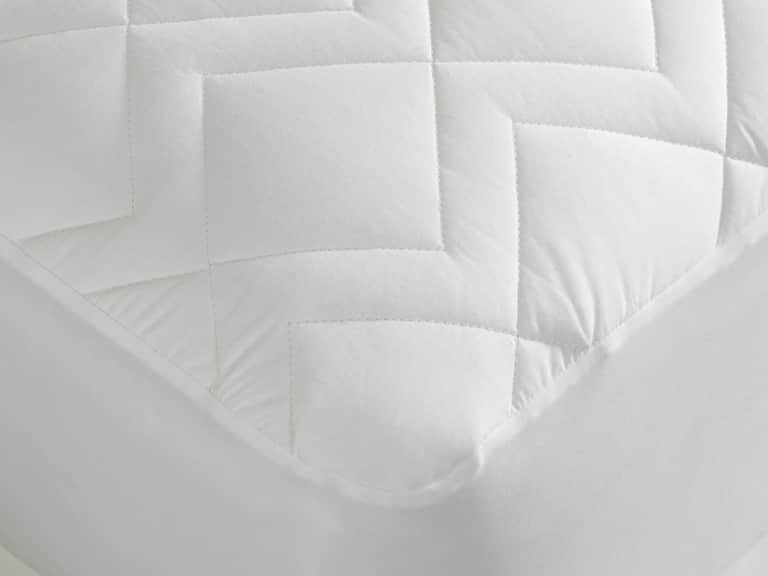
Check how the topper is intended to be used. Some layers are designed to sit directly on the mattress under a mattress pad and fitted sheet; others may have a cover or a particular orientation. Follow the maker’s instructions for positioning and maintenance. Avoid assuming that a pad, protector, and topper are interchangeable: a protector primarily shields the mattress, a pad may add a light layer of comfort or absorbency, and a topper is generally intended to change the surface feel more noticeably.
Fit is part of comfort—not an afterthought
A carefully chosen layer can still disappoint if it shifts, bunches, or leaves the mattress unevenly covered. Before ordering, compare the topper’s length and width with the mattress size, and check whether the maker specifies corner straps, a fitted skirt, or another method of keeping it in place. If the layer is intended to lie beneath a pad and sheet, those upper layers may help hold it, but the full combination still needs to fit smoothly.
Measure the mattress rather than relying only on a size label. Mattress dimensions can vary by model, and the usable surface may be affected by a pillow-top profile, a thick cover, or a nonstandard shape. A layer that is too narrow may leave an uncovered strip; one that is too large can fold or bunch. A secure, flat fit is especially important when sharing a bed, since movement on one side can disturb an unsecured layer on the other.
Pay attention to mattress depth and the design of the existing protector or pad. If the fitted sheet has a shallow pocket, it may not stretch comfortably over the combined mattress and topper. Even a sheet that can technically be pulled over the full stack may feel tight, lift at the corners, or come loose overnight. Fit should be judged by ease and security, not by whether the elastic can be forced around the bed.
The quiet consequence: added bed height
Every added layer raises the sleep surface. The increase may be slight, but the cumulative effect can matter when a mattress already has a deep profile or sits on a tall foundation. Consider whether you can get into and out of bed comfortably, whether the mattress remains at a convenient height beside a nightstand, and whether the bedding still looks and feels properly fitted.
Height also changes the requirements for sheets and protectors. A fitted sheet must cover the total depth of the mattress, comfort layer, pad, and any other layer beneath it. Check the manufacturer’s pocket-depth guidance and allow for the full assembled height, not just the mattress measurement printed on the label. If sheets are already close-fitting, an added topper may make them difficult to secure.
Bed frames, headboards, and adjustable bases deserve a quick check as well. A thicker stack may change how the mattress sits within a frame or how it behaves when an adjustable base moves. Follow the instructions for the mattress, foundation, and topper, especially if the bed has a specialized setup. A little planning helps preserve both comfort and a neat, stable bed.
Materials, breathability, and daily care
Material affects more than the initial softness. It also shapes temperature, moisture handling, weight, maintenance, and the way the layer moves with the mattress. Natural latex, wool, cotton, and other fills each have different properties, and a person’s experience depends on the entire construction rather than a single fiber name. Consider the cover and quilting along with the filling.
If you tend to sleep warm, consider whether an additional layer could make the bed feel warmer or less ventilated. The sensation depends on materials, layering, room climate, sleepwear, and bedding. No material description can guarantee that an individual sleeper will stay cool. Breathability and moisture management may be helpful qualities, but they are not substitutes for considering the complete sleep environment.
Care instructions are equally practical. Some layers can be washed at home; others call for spot cleaning, airing, or professional care. A topper that is difficult to maintain may be less convenient in a household where spills, pets, or frequent laundering are concerns. Read the care guidance before purchase, and use a separate protector if you need a washable barrier between the comfort layer and everyday moisture or dirt.
For a natural latex bed, compatibility matters. Confirm that the chosen layer is suitable for the intended surface and that its care requirements fit your routine. Do not assume that “natural,” “organic,” or “breathable” means waterproof, machine washable, or appropriate for every mattress. Certifications and material claims should be read in context, with attention to which component is certified and what the certification covers.
A measured way to decide
Before adding a separate layer, take a few practical steps. First, review the mattress’s setup instructions and confirm that the foundation is compatible and level. Then check whether the discomfort is new, persistent, and concentrated at the surface. If the mattress is still within a trial period or subject to specific warranty terms, read those policies before making changes. Some conditions apply to returns or exchanges, and added components can complicate an assessment.
Next, decide what you want the bed to feel like. “Softer” can mean gentle cushioning at the shoulder, a more padded first impression, less pressure at the hip, or a deeper, more embracing sensation. These are distinct goals. A clear description helps narrow the choice of material and thickness, and makes it easier to judge the result once the layer is in place.
Finally, look at the complete bed—not just the topper. Measure mattress dimensions and depth, include existing pads and protectors in your calculation, and check the fitted sheet’s pocket capacity. Consider how the added height will affect access to the bed and the fit of any frame or adjustable base. These details may seem small in a product comparison, but they shape whether the layer works smoothly in everyday use.
- Identify the specific discomfort and where it occurs.
- Check mattress setup, foundation compatibility, and current condition.
- Choose a material and firmness that address your goal, not just a label.
- Compare thickness and dimensions with the mattress and bedding.
- Review care instructions, return terms, and warranty guidance.
When an extra layer may not be the answer
A topper can soften a surface, but it cannot make every bed feel right. If the mattress sags, has visible damage, or feels unstable beneath you, adding cushioning may conceal the symptom without addressing the cause. If the foundation is not suitable, resolve that compatibility issue before changing the surface. A comfort layer is not a substitute for a properly supported mattress.
It may also be worth reconsidering the mattress itself if discomfort continues despite an appropriate setup or if the bed does not suit your preferred sleeping position. A thicker layer can change the feel substantially, but it cannot guarantee alignment or eliminate pressure for every sleeper. Where pain is persistent or affects daily life, seek advice from a qualified health professional rather than treating bedding changes as medical care.
There is no virtue in keeping an uncomfortable arrangement simply because its materials are appealing or its construction is carefully considered. Natural latex may be an excellent match for one sleeper and not another. Comfort is individual, and an informed decision should make room for that fact.
The final measure is how the whole bed feels
When a natural latex bed feels too firm, an extra comfort layer can be a thoughtful adjustment—provided the underlying mattress remains supportive and the discomfort is genuinely a surface-feel issue. Thickness determines how pronounced the change may be; firmness and material shape its character; fit and bed height determine whether the new arrangement works in practice.
Approach the choice with the same care you would give to the mattress itself. Notice where you need more cushioning, compare construction details, measure the full bed, and check the care and fit requirements. A good comfort layer should make the surface feel more welcoming without introducing a new set of problems. The aim is not to build the tallest or softest bed, but to create a balanced sleep surface that feels comfortable, secure, and suited to the way you rest.